TyMe Screening
Early Detection. Personalized Precision. Lifelong Peace of Mind.
About TyMe Screening
At TyMe, we're transforming the way cancer is detected — early, accurately, and proactively. Our advanced screening services use a powerful blend of blood-based biomarkers, AI-assisted imaging, genomic insights, and immune profiling to uncover risks before symptoms emerge.
We're on a mission to detect cancer at its earliest and most treatable stages, using personalized screening strategies rooted in precision diagnostics and continuous monitoring.

TyMe Cancer Screening is ideal for
- Individuals with a family history of cancer
- People who value proactive health management
- Anyone seeking peace of mind through modern, preventive care
Our Screening Services
Whole-Body MRI
TyMe Whole-Body MRI combines advanced imaging technology with a precision prevention philosophy to provide a comprehensive view of your health in a single examination.
Performed in approximately 60 to 70 minutes, this radiation-free, non-invasive scan evaluates major organs and body systems through a comprehensive head-to-toe imaging approach using dedicated screening-focused MRI protocols. The goal is not simply to generate images, but to provide meaningful health insights that can support more informed decisions about prevention, wellness, and long-term health planning.

Precision Screening Laboratory Panel
The Precision Screening Laboratory Panel offers a detailed look at your health through one coordinated assessment. Designed to support personalized prevention, it helps you understand different aspects of your health and make informed decisions with your care team.
The panel looks at heart and blood vessel health, blood sugar regulation, liver and kidney function, and signs of inflammation. It also examines blood cell health and selected aspects of immune function, alongside vitamin and mineral levels and the balance of fats in your blood.
Additional areas include hormone levels, thyroid function, and exposure to certain heavy metals. The panel also checks for an infection that can affect stomach health and an inherited predisposition to a gluten-related condition. For men, it includes markers related to prostate health.
Your care team reviews these findings alongside your health history, questionnaire responses, and other relevant results. Together, they help build a clearer picture of your health, inform practical recommendations, and identify areas that may benefit from further evaluation.

Hereditary Cancer Genomics
Hereditary Cancer Genomics is a genetic test that analyzes selected genes associated with inherited cancer predisposition. The test is designed to identify certain genetic variants that may be associated with an increased hereditary risk for cancers involving multiple organ systems and hereditary cancer syndromes covered by the laboratory's test panel.
Results are evaluated together with the individual's personal and family health history and may help inform discussions with a qualified healthcare professional regarding appropriate cancer screening, risk-reduction strategies, and follow-up care.
This test does not diagnose cancer, determine whether cancer is currently present, or predict with certainty whether cancer will develop. A negative result does not eliminate all hereditary or non-hereditary cancer risk.
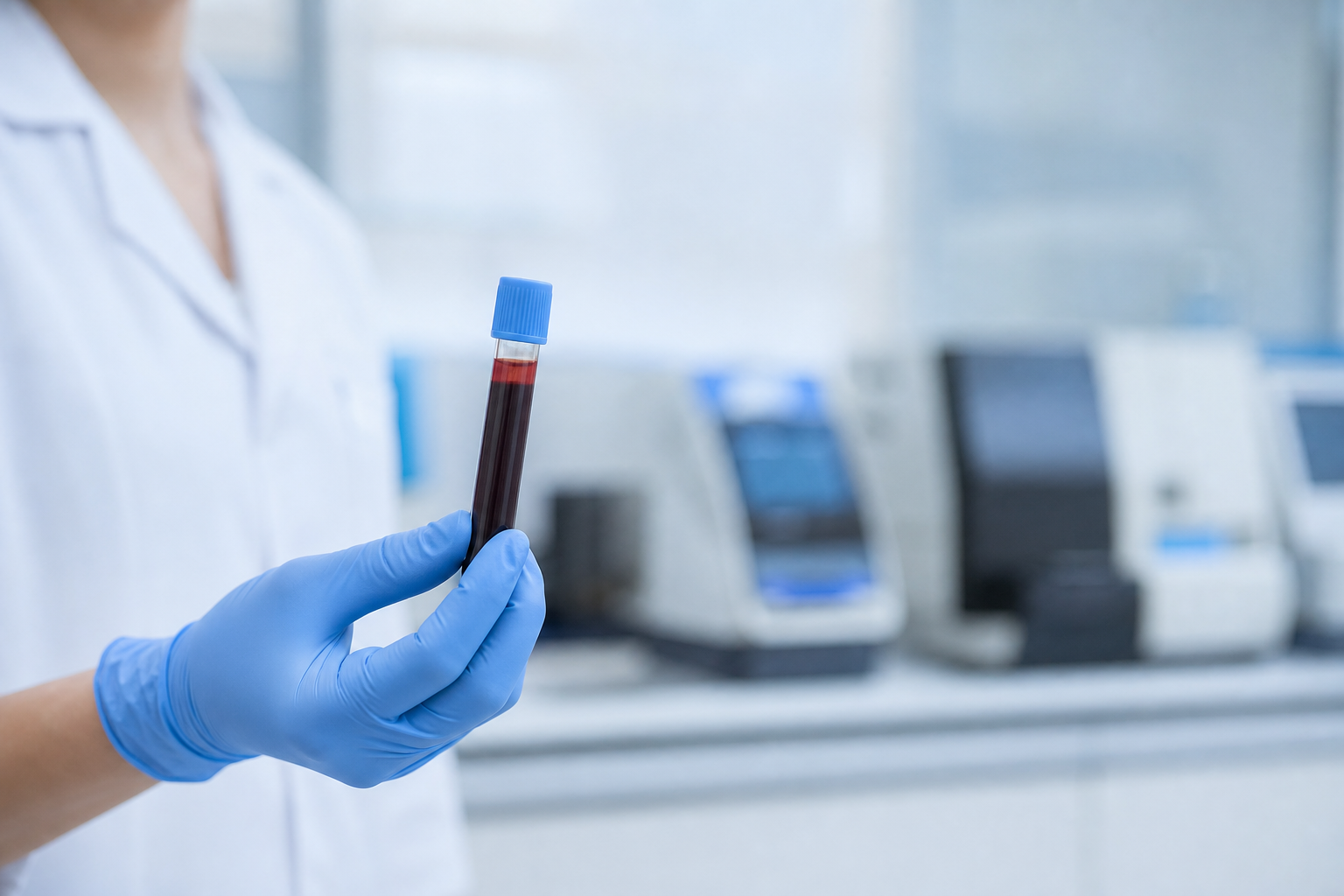
Multi-Cancer Early Detection (MCED) Test
The Multi-Cancer Early Detection Test is an advanced blood test designed to identify cancer-associated signals that may be present in the bloodstream before symptoms develop.
Using sophisticated genomic and artificial intelligence technologies, the test analyzes patterns of cell-free DNA to evaluate whether a cancer signal may be present and, when detected, may help predict the tissue or organ system most likely associated with that signal.
Unlike traditional screening tests that focus on a single cancer type, this test is designed to evaluate signals associated with more than 50 types of cancer through a single blood draw.
This test is intended to complement—not replace—recommended cancer screening tests and guideline-based screening programs.

Hair Analysis
Hair Analysis is an advanced hair-based element and toxic exposure assessment designed to provide additional insight into long-term mineral balance, nutritional patterns, and selected environmental exposure trends.
Unlike blood testing, which primarily reflects short-term physiologic activity, hair analysis may help evaluate longer-term patterns related to essential minerals, heavy metals, and broader environmental influences.
The evaluation is designed to support more personalized wellness optimization, environmental exposure awareness, nutritional insight generation, and broader preventive health understanding.

InBody Body Composition Assessment
The InBody assessment is an advanced body composition analysis designed to provide a deeper understanding of body composition, muscle distribution, body fat, hydration status, and metabolic health beyond traditional weight or BMI measurements.
Using professional-grade bioelectrical impedance technology, the assessment evaluates key body composition metrics, providing detailed insights into skeletal muscle mass, body fat percentage, visceral fat, body water balance, and segmental body composition. The results help support more personalized nutrition, fitness, recovery, and wellness planning.
What Sets TyMe Apart
Advanced Precision Insights
Integrating AI, advanced imaging, genomics, and biomarkers.
Tailored Screening
Personalized based on your age, history, immune profile, and risk markers.
Proactive Strategy
Designed for wellness-seekers, not just patients.
Ongoing Monitoring
Longitudinal tracking for continuous insights, not just one-time snapshots.
Frequently Asked Questions
Everything you need to know about TyMe Screening.
Get ahead of disease & stay in control
With TyMe, you gain a decisive advantage in your health journey — anticipating risk before illness begins.
This is not just screening. It's a smarter way to live well.
Join waitlist